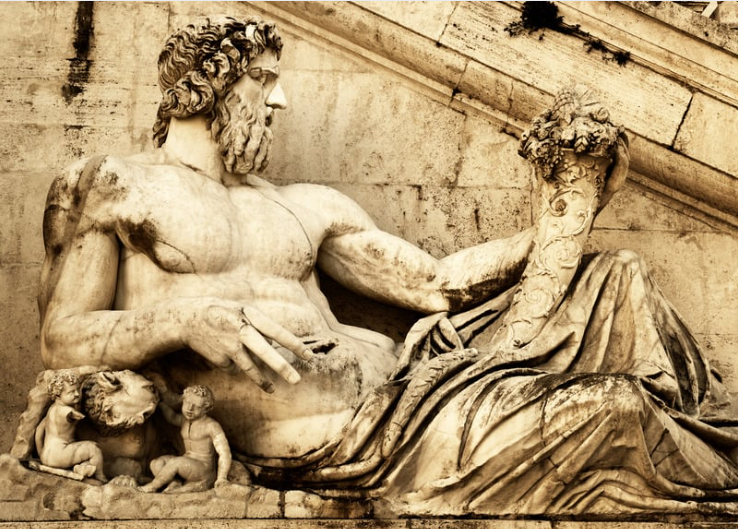
Ancient artz is more than just breathtaking sculptures and intricate carvings. It’s a vivid window into the lives, beliefs, and dreams of civilizations that came long before us. From cave paintings to Greco-Roman statues, ancient artz tells a story of human expression, creativity, and resilience that has shaped the foundations of artistic traditions across the globe. This blog explores how ancient artz provides deep insights into early human societies and continues to influence modern artistry.
Prehistoric Art: Humanity’s First Steps in Creativity
The story of ancient artz begins tens of thousands of years ago, in the dark corners of caves scattered across Europe, Africa, and Asia. Prehistoric art was humanity’s earliest attempt to make sense of the world and communicate visually.
The Advent of Cave Paintings
Cave paintings, such as the mesmerizing Lascaux cave art in France, offer a glimpse into early human life. These paintings illustrate animals, hunting scenes, and abstract symbols. Anthropologists believe these artworks not only captured daily life but also held spiritual significance. They might have been used to invoke successful hunts, to celebrate nature, or as part of communal rituals.
Petroglyphs and Symbolism
Petroglyphs—rock carvings etched into stone—offer another layer of complexity to prehistoric art. These carvings often include geometric patterns, human figures, and scenes of ritualistic activity. They suggest that even at this early stage of development, art was a tool for storytelling and spiritual connection.
Mesopotamian Art: The Cradle of Civilization
Ziggurats and Temples
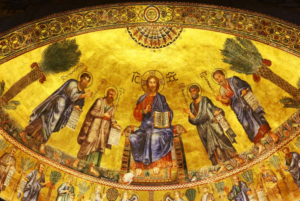
Mesopotamian art showcased an unparalleled dedication to gods, kings, and nature. Ziggurats—tiered temples—stood as architectural masterpieces adorned with intricate reliefs depicting mythological themes. These structures served not only as places of worship but also as symbols of political power and technological advancement.
Sculptures of Power
Stone carvings and statues depicting kings, gods, and mythical creatures highlighted the authority and grandeur of Mesopotamian rulers. Detailed inscriptions on these sculptures immortalized historic events and cemented the connection between rulers and divine powers.
Egyptian Artz: Immortalizing the Afterlife
Few civilizations are as synonymous with art as ancient Egypt. Egyptian art offers a perfect blend of symbolism, spirituality, and artistic sophistication.
Hieroglyphs and Artistic Writing
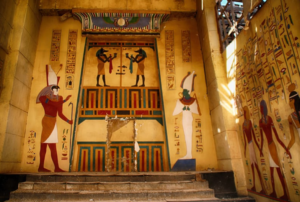
The invention of hieroglyphs transformed writing into an art form. These pictorial symbols—depicting gods, nature, and daily life—don’t just convey information; they tell stories. Hieroglyphs adorned tombs, temples, and palaces, merging language and visuals seamlessly.
Tomb Art and Spirituality
Egyptian tomb decorations vividly capture their belief in the afterlife. Wall paintings, depicting scenes of daily life, offerings to deities, and funeral processions, preserve details about their societal structure and spiritual practices. Monumental pyramids and statues immortalized the lives of pharaohs while reinforcing their divine status.
Greek Artz: The Pursuit of Perfection
Greek art embodies the golden age of balance, proportion, and lifelike beauty. It set a foundation for artistic mastery that remains influential to this day.
Sculptures of Gods and Heroes
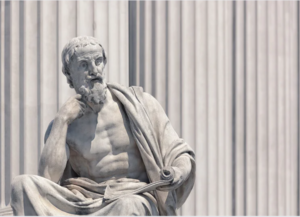
Greek sculptors’ obsession with the human form resulted in lifelike statues of gods, athletes, and historical figures. Works such as the Discobolus (the discus thrower) exhibit impeccable attention to anatomy, motion, and emotion.
Pottery and Frescoes
Greek pottery and fresco paintings were not merely decorative objects; they captured Greek mythology, daily life, and important events. The craftsmanship reflected a deep understanding of visual storytelling.
Roman Artz: Innovation and Legacy
The Romans adopted—and adapted—Greek artistic practices, bridging the gap between old traditions and new innovations.
Pioneers of Mosaics and Architecture
Roman mosaics—colorful tiles arranged into intricate patterns—adorned villas and palaces, depicting mythological, historical, and everyday themes. Their architectural contributions, such as the arch and dome, revolutionized building design and significantly influenced later civilizations.
Monuments of Grandeur
From the awe-inspiring Colosseum to the triumphal arches, Roman architects celebrated power and heritage through monumental public structures. Roman art served purposes beyond aesthetics—it was a tool for political propaganda and unity.
Asian Artz: A World of Elegance and Discipline
Ancient Asian art—encompassing Indian, Chinese, and Japanese traditions—showcases a fascinating blend of spirituality, attention to detail, and aesthetic harmony.
Buddhist Inspired Creativity
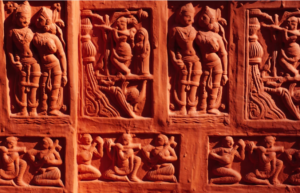
Indian cave temples like Ajanta combined sculpture and painting to depict Buddhist teachings and stories, while Chinese Buddhist sculptures portrayed serene and spiritual expressions.
The Art of Calligraphy
Calligraphy became a revered art form in China and Japan. The disciplined strokes of bamboo brushes created works that harmonized beauty and meaning, bridging the gap between literature and visual art.
The Influence of Ancient Artz on Modern Creativity
The legacy of ancient artz goes far beyond museum walls. Movements like Neoclassicism and Renaissance absorbed classical ideals from Greek and Roman art. Additionally, modern artists often draw inspiration from ancient techniques in sculpture, architecture, and even digital media.
For example:
- Egyptian iconography inspired modern surrealists.
- Roman engineering principles laid foundations for contemporary architecture.
- Greek ideals of harmony and proportion influenced modern industrial design.
Rediscover the Artz of the Ancients
Ancient artz is so much more than paint on walls or carvings on stone. It’s a narrative—a legacy of human imagination and resilience. Each piece, from the caves of Lascaux to Roman mosaics, tells a unique story about the civilizations that shaped them.
Next time you gaze upon a timeless masterpiece, take a moment to think about the hands that created it and the legacy it preserves.
Looking for more art and cultural insights? Explore additional resources or join our art workshops.